The morning after an event, someone always asks the host how it went, and the honest answer is often “I think it went well.” The guests had a good time, the food came out hot, and nobody can say whether it was worth the budget. Successful event planning prevents that answer, because it decides on the first call what the event has to achieve.
You know an event worked when you can point to the reason you held it and show that it happened. If the goal was to launch a product, did the right press and buyers show up and leave with the story? If it was a fundraiser, did the paddle raise hit the number? Decide what success means, pick two or three event success metrics, plan everything around them and review honestly afterward.
At Elite Productions, our event management process begins with a planning call and ends with a post-event wrap-up. Here’s how each step works, and why the first conversation decides how the last one goes.
Successful Event Planning Starts With Purpose
Every event has a main job, even when the brief lists five. A product launch needs attention and coverage. A client thank-you dinner needs your best accounts to feel looked after and to talk to your leadership. A fundraiser needs money pledged and donors who will come back next year. A team event needs people to leave feeling connected and a little more motivated on Monday.
Name the main job in one sentence and write it at the top of the planning document. When two goals compete (a gala that is also a recruiting event, for example), rank them. A clear first priority settles dozens of later arguments about seating, speeches and spend.
Event Goals and KPIs: Turn the Purpose Into Two or Three Measures
Once the purpose is clear, choose a few measures you can actually collect. Two or three is plenty, because a list of ten rarely gets reviewed. Good event goals and KPIs for common formats look like this:
- Attendance against RSVPs. A 300-person RSVP list that turns into 180 guests tells you something about timing, invitations or follow-up.
- Guest feedback. A short survey sent within a day or two. Many teams use the Net Promoter question (“How likely are you to recommend us to a friend or colleague?”) on a 0 to 10 scale, as described by Bain’s Net Promoter System, plus one open question about what guests would change.
- Funds raised for nonprofits, counted by pledges, auction totals and new donors.
- Leads or meetings booked for corporate event planning, tracked by your sales team against a named list of target accounts.
- Press and social coverage for launches and activations: who attended from the media, what ran, and what guests posted.
Set the baseline before the event. If last year’s fundraiser raised a certain amount, that figure is the bar. If this is the first time, write down a realistic target and treat the result as next year’s baseline.
How Goals Shape Budget, Venue, Guest List and Run-of-Show
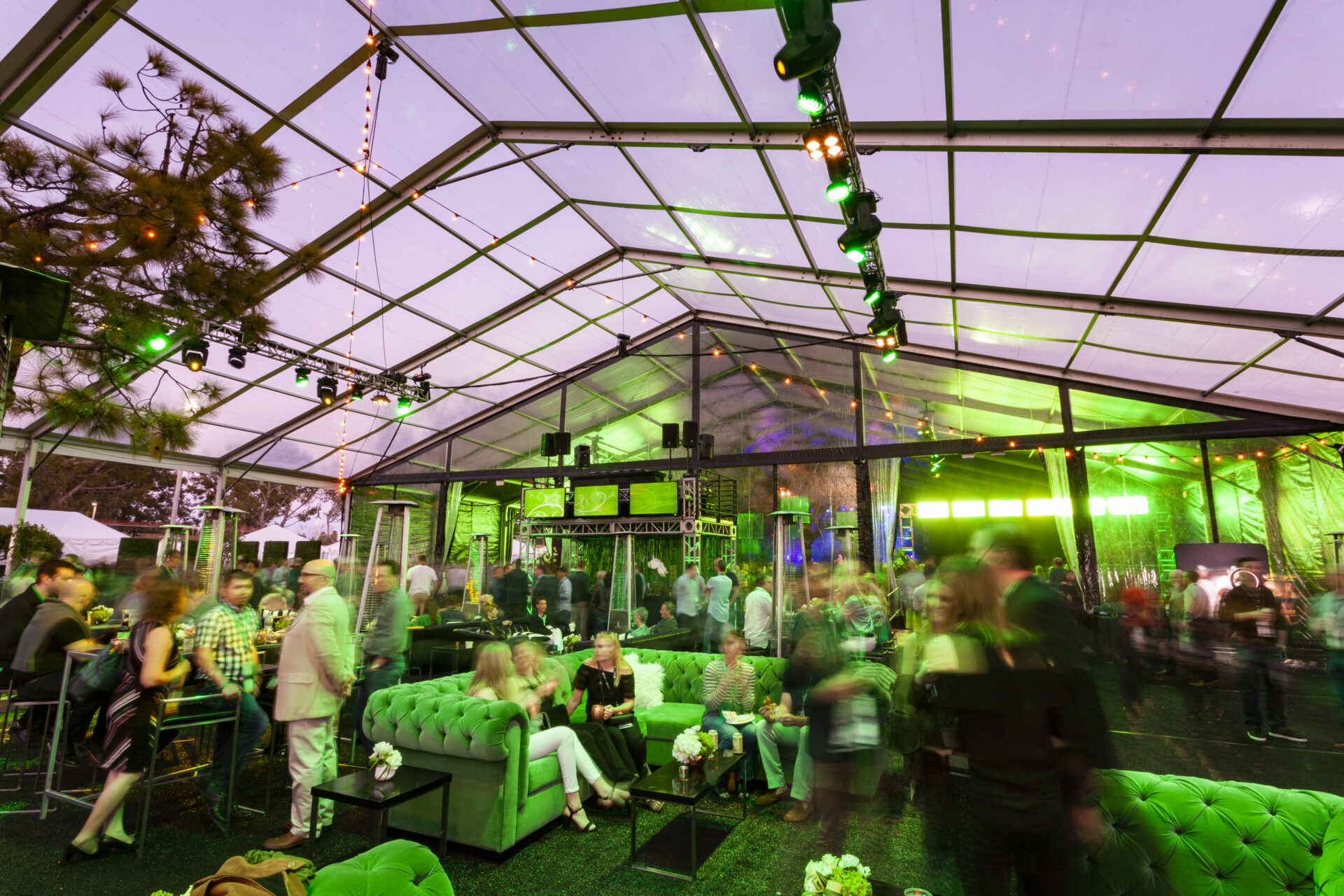
Measures are useful only if they change decisions. A launch measured by press coverage spends more on staging, lighting and a photo-friendly reveal moment, and less on a long seated dinner. A client appreciation evening measured by conversations with key accounts needs a quieter room, smaller tables and executives assigned to specific guests.
The venue follows the same logic. A space that photographs well matters for a brand activation; easy parking and short walking distances matter more for an older donor base. The guest list gets the same scrutiny: if leads are the goal, the invitation list should be built with sales, account by account.
The run-of-show is where goals most often get lost. If the fundraiser’s goal is the paddle raise, it can’t happen at 9:45 pm after two long speeches and an open bar. Put the moment that matters most where the room has the most energy, and protect it from schedule creep.
Event Success Metrics You Can Read On-Site

Some of the best information comes while the event is running, and it disappears if nobody writes it down. Assign one person on the team to watch and take notes.
Guest flow tells you whether the layout works: where do people bottleneck, and which areas stay empty? Dwell time shows interest: if guests spend twenty minutes at a product display and walk past the sponsor wall, that’s useful for the next layout. Watch what people photograph and post, because it shows which moments carried the message. Note when the room thins out, too. If half the guests leave before the keynote, the schedule needs work.
Our on-site event management team coordinates vendors and timing on the ground, which frees the host to talk to guests while someone else keeps notes on what is happening.
How to Run a Post-Event Debrief
A post-event debrief is how one event improves the next. Hold it within a week, while details are fresh, and keep it to an hour with the people who made decisions.
Bring three kinds of input. First, the numbers you chose at the start: attendance, survey results, funds or leads. Second, guest comments, especially the specific ones (“the coat check line was 25 minutes”). Third, vendor notes. Caterers, AV crews and venue managers notice problems the host never sees, from late load-ins to a microphone that cut out during the toast.
Then sort everything into three lists: what to repeat, what to change and what to drop. Write it down and file it with the budget so next year’s planning starts from evidence. Our post-event wrap-up handles breakdown and final logistics so nothing is left unresolved, and the debrief is where those event success metrics turn into decisions.
Common Reasons Events Feel Flat
When an event underwhelms, the cause usually traces back to one of a few planning gaps:
- No main goal. Without a first priority, every element gets equal weight and nothing stands out.
- The key moment came too late. Speeches, awards or reveals scheduled after guests have mentally checked out.
- The room didn’t fit the crowd. A half-empty ballroom feels quiet even with 200 people in it; an overcrowded one feels stressful.
- Too much program. Guests came to talk to each other, and the agenda left them no time.
- No follow-up. Thank-you notes, photos and next steps that go out two weeks late lose the goodwill the event created.
Most of these are settled in the planning call, weeks before the event. That’s why we ask about purpose and measures before we talk about themes. Elite Productions has produced corporate events for 30 years, with offices in Los Angeles, Orange County and Palm Springs, and the questions we ask first come from seeing which events pay off for the host. You can see more about our work on the Elite Productions homepage.
Plan Your Next Event Around a Clear Goal
If you have an event coming up, start with one sentence about what it needs to achieve and two or three numbers that would prove it. We’ll take it from there: budget, venue, vendors, run-of-show and the wrap-up afterward. Our team suggests reaching out three to six months ahead for most events, though we have also delivered on a few weeks’ notice.
Use the free event consult form on our event management page to talk through your goals with our planners, or contact our team.